
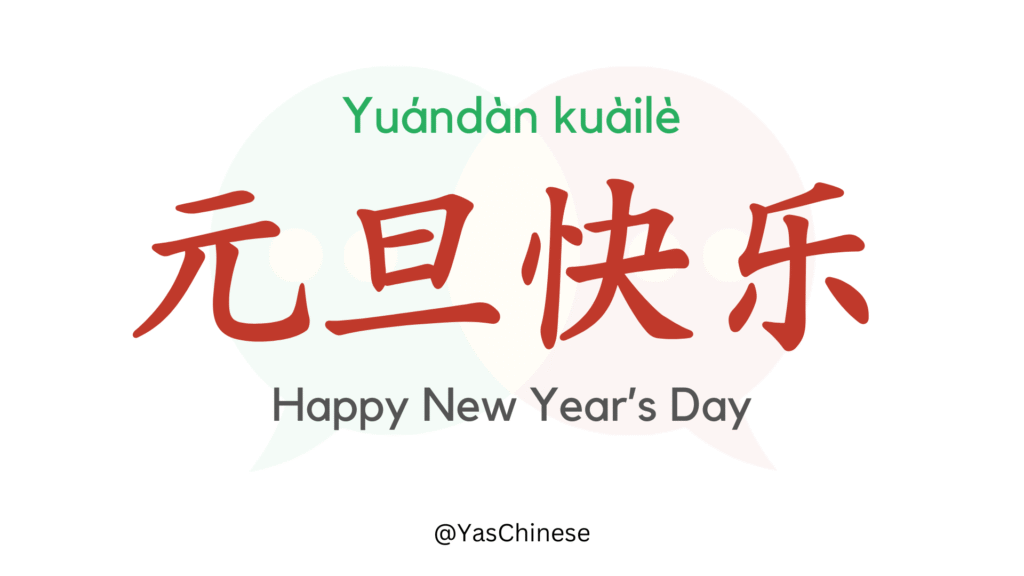
元旦快乐 (Yuándàn kuàilè): How to Say Happy New Year in Chinese the Right Way 🎉
元旦快乐 (Yuándàn kuàilè) is the correct Chinese greeting for New Year’s Day on January 1st, but many Chinese learners are unsure when to use it and how it differs from 新年快乐 (Xīnnián kuàilè). This confusion is very common, even among intermediate learners.
In this article, you will clearly understand what 元旦快乐 (Yuándàn kuàilè) means, how it is different from 新年快乐 (Xīnnián kuàilè), which parts of the world use 元旦快乐 (Yuándàn kuàilè), and which greeting you should confidently use in real life.
Everything is explained in a natural, friendly way, just like a teacher guiding you step by step 😊.
What Does 元旦快乐 (Yuándàn kuàilè) Mean?
Meaning of 元旦快乐 (Yuándàn kuàilè)
元旦 (Yuándàn) means New Year’s Day, specifically January 1st.
快乐 (kuàilè) means happy.
So together:
元旦快乐 (Yuándàn kuàilè) = Happy New Year’s Day
Let’s break it down further:
元 (yuán) means beginning or first.
旦 (dàn) means dawn or morning.
元旦 (Yuándàn) literally means the first morning of the year. In modern Chinese, it refers only to January 1st on the Gregorian calendar.
Example sentence:
祝你元旦快乐 (Zhù nǐ Yuándàn kuàilè)
Wish you a happy New Year’s Day
元旦快乐 (Yuándàn kuàilè) vs 新年快乐 (Xīnnián kuàilè)
This is the most important part for learners, so let’s make it very clear and practical.
新年快乐 (Xīnnián kuàilè)
新年快乐 (Xīnnián kuàilè) means Happy New Year in a general and festive sense.
新年 (xīnnián) means new year in general.
快乐 (kuàilè) means happy.
新年快乐 (Xīnnián kuàilè) is most commonly used during Chinese New Year, also called 春节 (Chūnjié). It feels warm, joyful, and family-oriented 🧧.
People may also casually say 新年快乐 (Xīnnián kuàilè) around January 1st, especially on social media or in daily conversation.
元旦快乐 (Yuándàn kuàilè)
元旦快乐 (Yuándàn kuàilè) is calendar-specific and precise.
It is used only for January 1st and sounds more formal and official. You will often see it in:
-
School announcements
-
Government notices
-
Office banners
-
News headlines
Think of 元旦快乐 (Yuándàn kuàilè) as the correct greeting for written or official situations.
Which Parts of the World Use 元旦快乐 (Yuándàn kuàilè)? 🌏
元旦快乐 (Yuándàn kuàilè) is mainly used in the Chinese-speaking world, especially in formal contexts.
🇨🇳 Mainland China
Very common on January 1st.
Used widely in schools, universities, government notices, and media banners.
It clearly separates Western New Year from Chinese New Year.
🇹🇼 Taiwan
Common in formal writing, official greetings, posters, and news.
In casual speech, people may still say 新年快乐 (Xīnnián kuàilè).
🇸🇬 Singapore
Used in formal Chinese announcements and bilingual posters.
Daily conversation usually prefers 新年快乐 (Xīnnián kuàilè).
🇲🇾 Malaysia
Mostly used in written or formal Chinese, such as school notices.
Spoken Chinese usually uses 新年快乐 (Xīnnián kuàilè).
Quick summary:
Region | 元旦快乐 usage
Mainland China | Very common on Jan 1
Taiwan | Common in formal contexts
Singapore | Formal usage
Malaysia | Formal and written only
Which Greeting Should You Use? ✅
Here is a simple rule you can remember easily:
🗓 January 1, official or written context
Use 元旦快乐 (Yuándàn kuàilè)
💬 Casual greeting or social media
Use 新年快乐 (Xīnnián kuàilè)
🧧 Chinese New Year
Use 新年快乐 (Xīnnián kuàilè) or 春节快乐 (Chūnjié kuàilè)
If you are unsure, 新年快乐 (Xīnnián kuàilè) is safer and sounds more natural 😊.
Key Vocabulary Table for 元旦快乐 (Yuándàn kuàilè)
| Field | Value |
|---|---|
| Simplified Chinese | 元旦快乐 |
| Pronunciation / Pinyin | Yuándàn kuàilè |
| English Meaning | Happy New Year’s Day |
| HSK Level | 2 |
| Total Strokes | 20 |
| Radical | 一 (yī), 日 (rì) |
| Traditional Chinese | 元旦快樂 |
| Example Sentence (中文) | 祝你元旦快乐 |
| Example Sentence (Pinyin) | Zhù nǐ Yuándàn kuàilè |
| Example Sentence (English) | Wish you a happy New Year’s Day |
Learning 元旦快乐 (Yuándàn kuàilè) Through Stroke Order ✍️
Learning stroke order helps you write Chinese characters correctly and remember them faster.
You can learn and practice stroke order here:
元 (yuán):
旦 (dàn):
快 (kuài):
乐 (lè):
Practice each character separately, then write 元旦快乐 (Yuándàn kuàilè) as a complete phrase.
Radical Meaning and Memory Tips 🧠
旦 (dàn) contains the 日 (rì) radical, meaning sun. Imagine the sun rising on the first day of the year. That image makes 元旦 (Yuándàn) easy to remember.
快乐 (kuàilè) expresses joy and happiness, making 元旦快乐 (Yuándàn kuàilè) a warm and positive greeting.
Common Word Combinations with 元旦 (Yuándàn)
元旦假期 (Yuándàn jiàqī)
New Year’s Day holiday
元旦活动 (Yuándàn huódòng)
New Year’s Day activities
元旦祝福 (Yuándàn zhùfú)
New Year’s Day wishes
List of Chinese Characters Used in This Post
Click any character below to learn and practice its stroke order:
FAQ Section About 元旦快乐 (Yuándàn kuàilè)
Q: What does 元旦快乐 (Yuándàn kuàilè) mean in Chinese?
A: 元旦快乐 (Yuándàn kuàilè) means Happy New Year’s Day and is used only for January 1st.
Q: Can I use 元旦快乐 (Yuándàn kuàilè) for Chinese New Year?
A: No. 元旦快乐 (Yuándàn kuàilè) is only for January 1st. For Chinese New Year, use 新年快乐 (Xīnnián kuàilè).
Q: Is 元旦快乐 (Yuándàn kuàilè) common in daily conversation?
A: It is mainly used in formal or written contexts. In casual speech, 新年快乐 (Xīnnián kuàilè) sounds more natural.